
At LUV, our process for producing these short documentaries is focused on bringing storytelling to life with cinematic flair, whilst ensuring our clients’ values and messages shine through in every frame.

COLLABORATION
Behind the scenes on corporate documentary shorts
Monday 8 June, 2026
Creating a memorable corporate documentary isn’t just about pressing ‘record’—it is a collaborative journey that combines empathy, creativity, and real stories.
From concept to storyboard
Since great storytelling comes from conversations, we begin with informal discussions with the intended interview subject and brainstorming sessions with the client team to unpack their story and zero in on an angle that showcases their organisation in a positive light while remaining truthful. This includes asking questions that lead us to feel out a narrative that we know will visually look good: what are you interested in talking about, like “What do you want to tell your audiences?”… “How will they feel?”… Who are we speaking to?”
This collaboration shapes the narrative direction and ensures our films genuinely connect with their intended audience. Out of these discussions comes a detailed outline, a roadmap that clarifies the beginning, middle, and end of the film, yet remains flexible enough for spontaneous inspiration during interviews or filming.
This storyboard helps everyone visualise the project and plan essential details, such as shooting locations, interviewees, and key themes. Since we often deal with people who are not accustomed to being in front of a camera, we ask the interview subject to prepare by reviewing a list of open-ended questions and considering how they’d like to answer them. If we feel they might come across as a bit stiff or nervous on camera, we help by arranging a dummy shoot the first time around to help them acclimatise.
The art of filming and interviewing
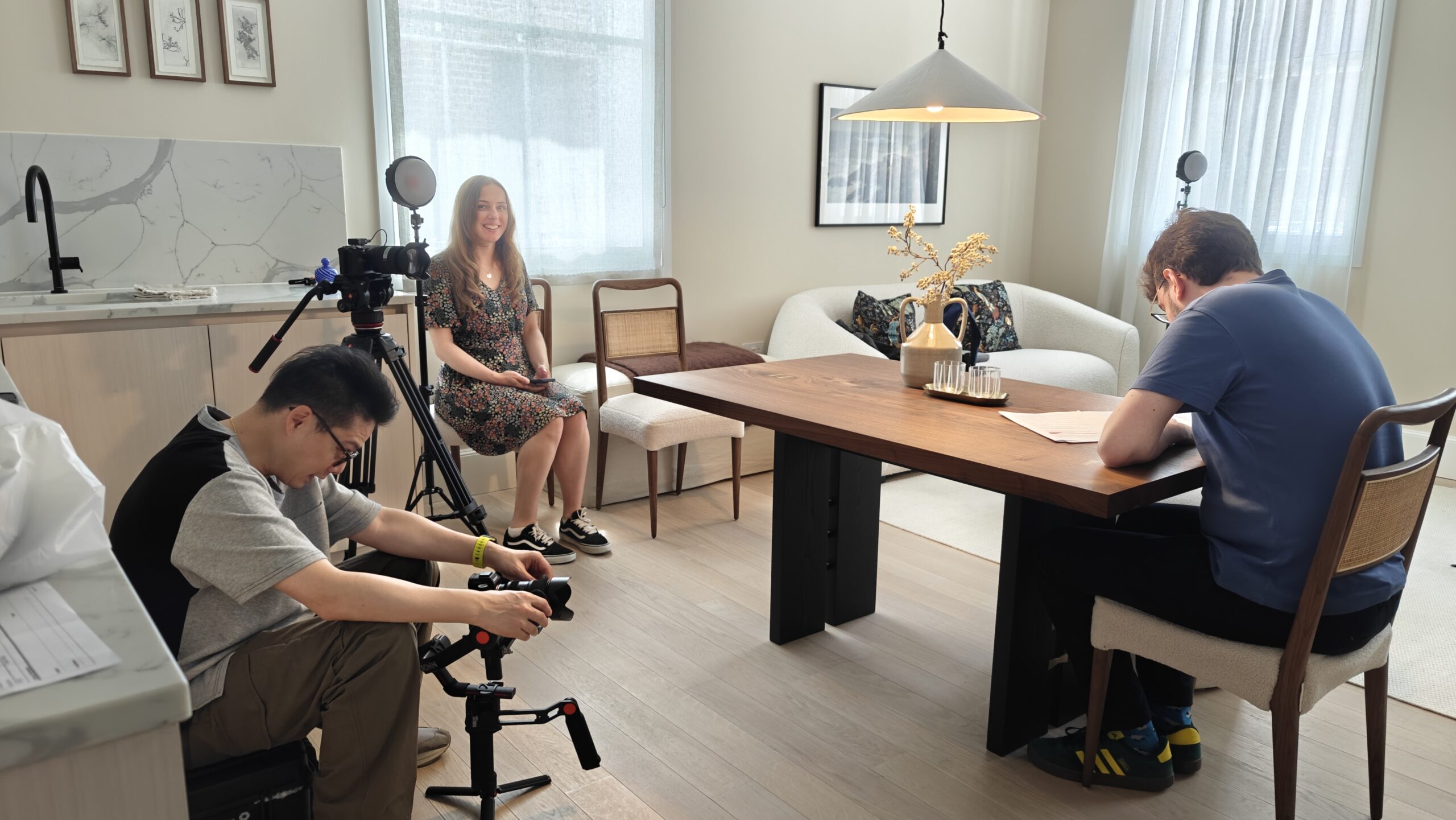
Shoot days usually come full of energy and anticipation. Once the concept and dates are agreed, we meticulously prepare, research, and scout suitable locations in advance, planning shot lists that include b-roll, crew, equipment hire, and a production schedule for the agreed-upon day(s) of the shoot. This planning part is the most crucial element; detailed enough to be flexible and adapt to the natural flow throughout the day.
Equipment and lighting are very important for controlling the visual quality or mood of a limited space; there’s nothing worse than capturing noisy videos because the location was too dark, or cropping an object out of view.
We are always on the lookout to capture those authentic moments—the golden snippets that will resonate with viewers long after the credits roll.
We treat interviews as opportunities for storytelling, rather than rigid question-and-answer sessions. We guide conversations with open-ended questions, often adding additional questions to the planned ones if we feel it leads to a segment of emotional truth, and letting responses lead us to unexpected insights. However, this approach relies on making the subject feel comfortable, which helps capture genuine narratives that elevate the final film. As a fallback and last resort to avoid reshooting, knowing our clients are often busy and taking time out to participate, we come prepared with an autocue of their original script for them to read. Natural responses are our preferred method, but sometimes autocues yield better results because they appear less stiff and more coherent in their delivery. We keep the bigger picture in mind and compromise for the benefit of the final piece.
Beyond talking heads, we love weaving in action shots, candid behind-the-scenes moments, and environmental visuals. These b-roll footage adds texture and context, making the films both visually appealing and profoundly engaging whilst breaking up longer dialogue segments.
Editing the story to life
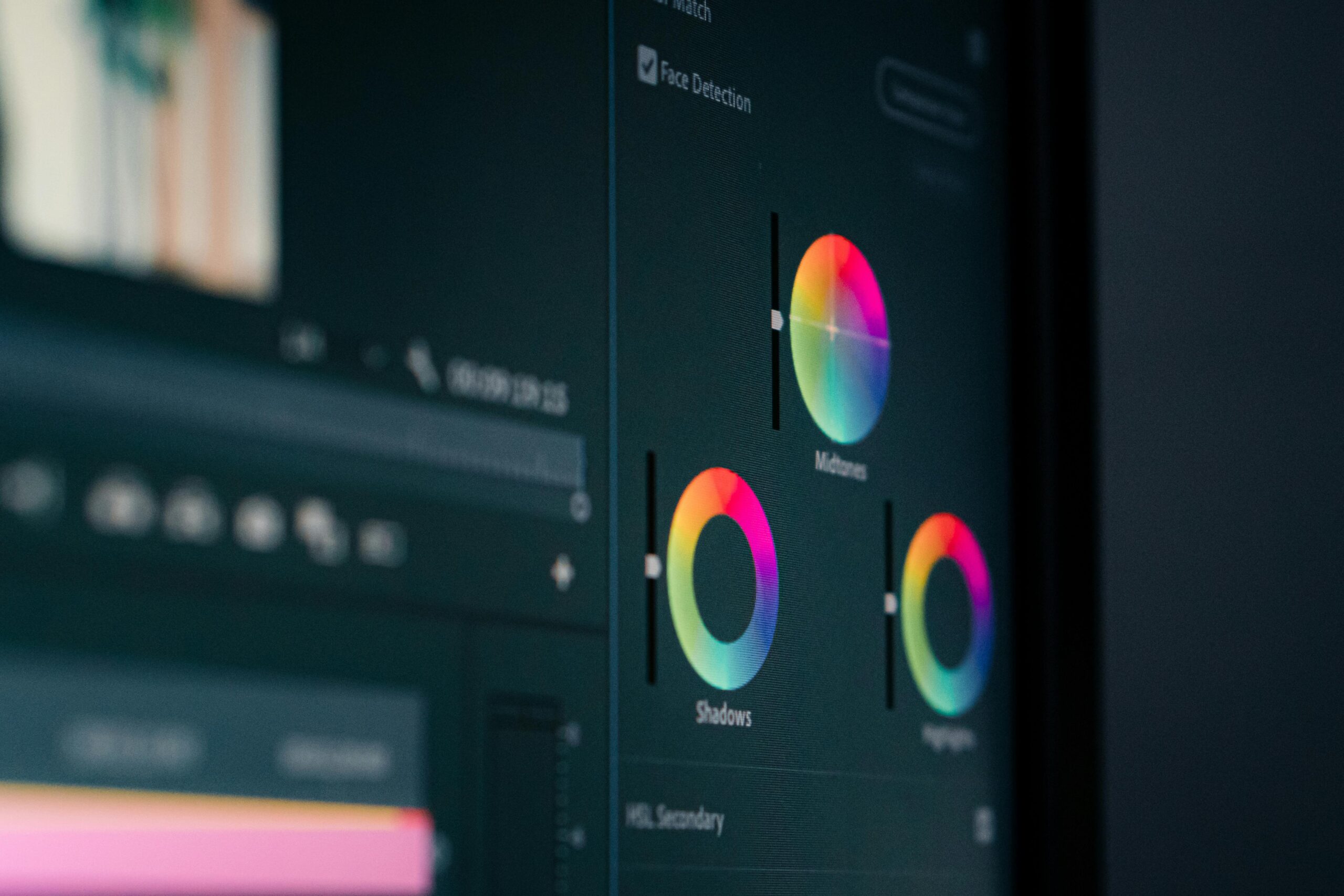
After wrapping up the shoot, the magic really happens during the editing. Our editors review and sift through hours of material, refining the narrative and crafting a seamless story aligned with the storyboard and project objectives. The post-production process begins with sound design and music selection, ensuring they match the dialogue and narrative.
Once we have reviewed a draft cut with the client and they are generally happy with the direction, we refine the film, add colour grading, transitions and/or graphical effects—the delicate touches that give each film its polish.
Editing is where the soul of the film emerges. Music can completely change the mood, so choosing the right one for the intended output is crucial. The pacing is adjusted to the music but also holds attention, and every second is scrutinised to ensure we don’t introduce continuity errors (where two clips are jarring due to visual inconsistencies).
For the final output, we also help create different cuts and formats for promotional use, such as social media shorts for LinkedIn or Instagram.
Collaboration and feedback
At every stage, the client receives regular updates, feedback sessions, and at least one round of collaborative review to refine the final cut and match it with the shared vision. This partnership is the foundation for creating films that not only look great but also achieve meaningful outcomes for our clients, outcomes that they are happy to sign off on and use.
Not all shoots are the same; they can often present challenges and surprises on the spot, which we must deal with. However, what drives the entire process is a passion for storytelling and a dedication to craft and quality.
Each corporate documentary LUV works on is more than just the output—it’s a sum of countless hours of creativity, teamwork, and care. We’re proud to help our clients raise their company profiles captured through their unique stories.
Previous post
Celebrating 170 Years of excellence with a new website for Edgingtons Architects
Next post
A new brand identity and website for Elgin Pre-school

Manage Consent
Functional
Always active
The technical storage or access is strictly necessary for the legitimate purpose of enabling the use of a specific service explicitly requested by the subscriber or user, or for the sole purpose of carrying out the transmission of a communication over an electronic communications network.
Preferences
The technical storage or access is necessary for the legitimate purpose of storing preferences that are not requested by the subscriber or user.
Statistics
The technical storage or access that is used exclusively for statistical purposes.
The technical storage or access that is used exclusively for anonymous statistical purposes. Without a subpoena, voluntary compliance on the part of your Internet Service Provider, or additional records from a third party, information stored or retrieved for this purpose alone cannot usually be used to identify you.
Marketing
The technical storage or access is required to create user profiles to send advertising, or to track the user on a website or across several websites for similar marketing purposes.